
What to Look for When Buying a Used Harley-Davidson
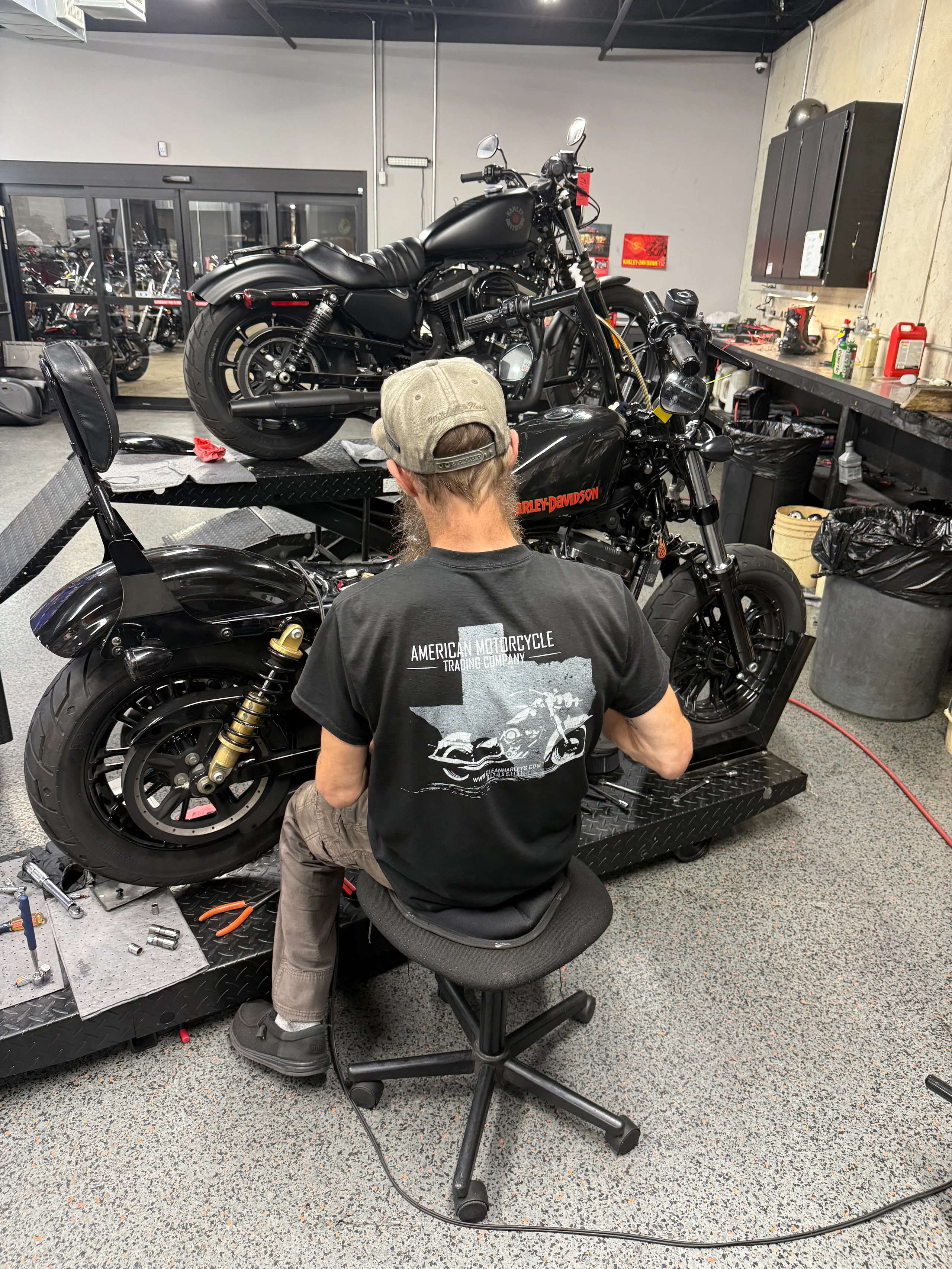
A used Harley-Davidson can offer a lot of motorcycle for the money, but the badge on the tank should not be the reason you buy a particular bike. Two motorcycles of the same year and model can have very different histories. One may have been maintained carefully, ridden regularly and stored properly. The other may have sat for long periods, received questionable modifications or missed routine maintenance.
That is why a good used-bike purchase starts with condition, history and fit. Mileage matters, but it is only one clue. The goal is to understand how the motorcycle has been treated, what it may need next and whether the asking price reflects the bike that is actually in front of you.
Start With the Motorcycle, Not the Odometer
Mileage is one of the first numbers buyers notice, but it can be misleading when viewed by itself. A motorcycle with more miles and documented maintenance may be a better purchase than a low-mileage bike that spent years sitting with old fluids, aging tires and a neglected battery.
Look at the entire story. Does the cosmetic condition match the mileage? Are the controls, seat, grips and footboards worn in a way that makes sense? Is there evidence that the motorcycle has been maintained consistently? Do the seller's answers line up with what you can see?
Ask About Maintenance History
Service records are valuable because they replace guesswork with information. Receipts can show oil and fluid changes, tire replacement, battery service, brake work and other maintenance. If a seller says all work was performed professionally, ask what documentation is available.
A lack of records does not automatically make a motorcycle a bad purchase, especially on an older bike, but it increases the importance of a thorough inspection. When history is incomplete, condition has to do more of the talking.
Look Closely at Tires
Motorcycle tires deserve more attention than a quick glance at tread depth. Look for cracking, uneven wear, flat spotting, damage and age. A motorcycle that has been stored for long periods can have tires that look usable from a distance but are no longer something you would want to trust on the road.
Also pay attention to whether the front and rear tire choices make sense for the motorcycle and how it is used. If tires need immediate replacement, include that cost in your evaluation of the purchase price.
Check the Brakes, Controls and Visible Wear Items
Brakes should feel predictable and components should not show obvious signs of neglect or damage. Check levers, pedals, cables or hydraulic lines, lights, turn signals, horn and switches. Look under the motorcycle for signs of fluid leaks. Examine visible hoses, fasteners and wiring for repairs that appear improvised.
The National Highway Traffic Safety Administration recommends checking tire pressure and tread depth, brakes, headlights, signal indicators and fluid levels as part of normal motorcycle safety checks. Those same areas deserve attention before you buy a used bike.
Pay Attention to the Cold Start
When practical, seeing and hearing a motorcycle start cold can be useful. A bike that has already been warmed up before you arrive may hide hard-starting behavior or other symptoms that are easier to notice when the engine has been sitting.
Listen for unusual sounds, watch the instruments and notice how the motorcycle settles into idle. A cold start is not a substitute for a mechanical inspection, but it can add useful information to the overall picture.
Examine Modifications Carefully
Harley-Davidson motorcycles are frequently personalized, which is part of their appeal. Exhaust systems, handlebars, seats, lighting, audio, luggage, suspension and engine-related upgrades can make a motorcycle better suited to a particular rider.
But modifications should be evaluated for quality, not just appearance. Look for clean wiring, properly routed cables, secure mounting and components that work together. A bike with expensive accessories is not automatically worth more to you if those accessories do not fit your riding plans or were installed poorly.
Verify the VIN, Title and Motorcycle History
Before buying, make sure the VIN on the motorcycle matches the title and transaction documents. Understand whether there is a lien and whether the title has any branding that affects value or registration. A vehicle-history report can add useful context, although no report replaces an inspection.
You can also use the NHTSA recall lookup to check a VIN for unrepaired safety recalls covered by the federal database. Recall information can change, so this is a useful check close to the time of purchase.
Look for Signs of Crash Damage or Rough Treatment
Small cosmetic marks are normal on many used motorcycles. What matters is whether damage suggests something more significant. Look for mismatched paint, unusual gaps, bent levers, scraped engine guards, damaged foot controls, fresh parts in one isolated area or alignment that does not look right.
None of those clues proves a serious accident by itself, but several together should lead to more questions. If you are unsure, have the motorcycle evaluated by a qualified technician before purchasing.
Make Sure the Motorcycle Fits You
Mechanical condition is only half the buying decision. Sit on the motorcycle. Check reach to the handlebars and controls. Think about low-speed weight, seat height, passenger needs, luggage, wind protection and the kind of riding you actually do.
A large touring motorcycle may be ideal for long highway trips but unnecessary for a rider who spends most weekends on short local rides. A stripped-down cruiser may look perfect but offer less wind protection or storage than you want. Buy for the way you ride, not only for the way the bike looks parked.
Take a Thoughtful Test Ride When Possible
A test ride can reveal things a stationary inspection cannot. Pay attention to clutch engagement, throttle response, braking feel, tracking, vibration, suspension behavior and whether the motorcycle is comfortable at the speeds you expect to ride.
If a test ride is not available, that does not automatically rule out the purchase, especially with remote transactions. It simply raises the value of inspection detail, documentation, clear photos and a seller with a transparent process.
Is Mileage or Condition More Important When Buying a Used Harley-Davidson?
Condition is usually more informative than mileage by itself. Mileage should be considered alongside maintenance history, age, storage, wear, modifications and how consistently the motorcycle appears to have been cared for. A higher-mileage motorcycle with strong maintenance history can be a better purchase than a low-mileage motorcycle with signs of long-term neglect.
Understand What “Certified” Means
The word “certified” can mean different things depending on who is using it. Harley-Davidson has manufacturer-backed Certified Pre-Owned programs through authorized Harley-Davidson dealers. Independent dealerships may also use their own inspection or certification standards. Buyers should ask what specific process stands behind the term.
Clean Harleys is an independent used motorcycle dealership and is not affiliated with Harley-Davidson. Its certification language refers to its own process. Before Clean Harleys buys a motorcycle for inventory, technicians perform a pre-buy inspection to help evaluate whether the bike meets the dealership's standards. Motorcycles that are purchased then go through a pre-delivery inspection, including a 32-point mechanical and electrical check.
That process is the basis for the dealership's Clean Harleys Certified motorcycles - an independent Clean Harleys inspection standard, not Harley-Davidson manufacturer certification.
Factor Upcoming Maintenance Into the Real Price
A used motorcycle's asking price is only the starting number. A bike that immediately needs tires, a battery, brake service and scheduled maintenance can cost substantially more than the listing suggests. Before deciding what a motorcycle is worth to you, estimate what you will need to spend during the first several months of ownership.
This is also why the cheapest motorcycle is not always the best value. Paying more for a well-maintained, well-prepared bike can make financial sense when it avoids a list of immediate repairs and gives you greater confidence in what you are buying.
Do Not Let Cosmetics Make the Decision for You
Chrome, paint and accessories are easy to see. Mechanical condition is not always as obvious. A beautiful motorcycle can still have deferred maintenance, old tires or poorly executed modifications. Likewise, a motorcycle with a few normal cosmetic signs of use may be mechanically excellent.
Use appearance as one part of the evaluation, not as the deciding factor. A motorcycle is ultimately a machine you will depend on at highway speed, and the condition of the parts you cannot admire in a parking lot matters just as much as the finish on the tank.
A Better Way to Buy a Used Harley-Davidson
The best used-motorcycle buyers are curious, patient and willing to look past a single number or feature. They ask questions, inspect the motorcycle, verify the paperwork and think about what the bike will cost to own - not just what it costs to buy.
If the motorcycle checks the important boxes - condition, maintenance, title, fit, value and seller transparency - you can make the decision with much more confidence. That approach matters whether you are buying your first used Harley-Davidson or adding another motorcycle to the garage.
ABOUT THE AUTHOR

Jake Robison

Jake Robison has operated powersports dealerships since 2003. With an extensive background in the motorcycle industry including sales, service, parts, finance, management and powersports training, he covers all things motorcycles and enjoys sharing valuable information to newcomers on two-wheels