
6 Simple Cruiser Motorcycles That Prove Less Can Be More
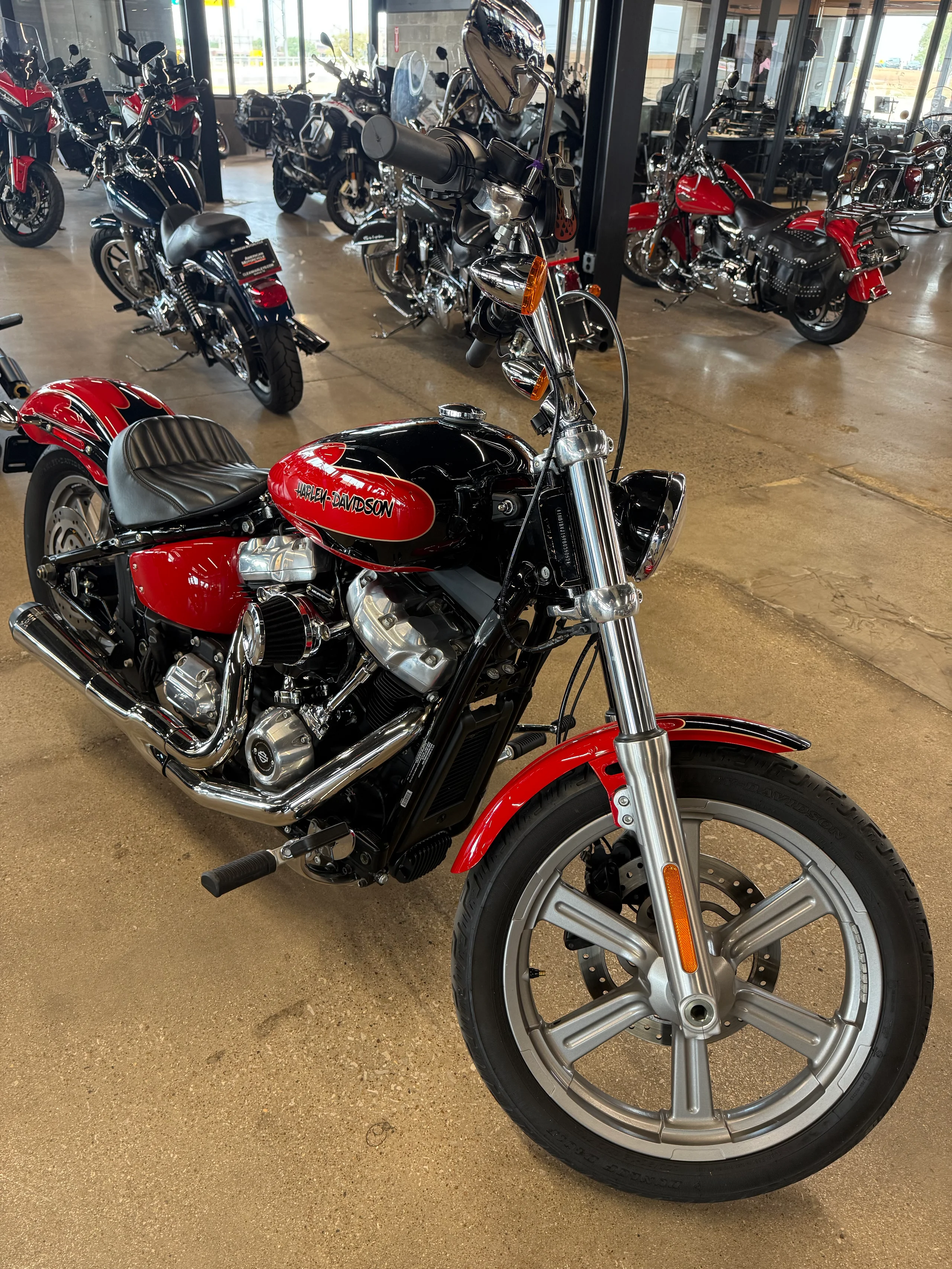
Six Cruisers That Prove Less Can Still Be More
There's a certain kind of rider who doesn't want a dashboard that looks like a cockpit, a ride-mode menu with twelve options, or a bike so loaded with electronics that a dead battery means a trip to the dealer instead of a jump-start in a parking lot. For that rider, the appeal of a cruiser has always been simplicity: a torquey engine, a low seat, relaxed ergonomics, and just enough bike to get you down the road with a grin on your face.
The good news is that plenty of manufacturers still build machines like this. You don't need traction control, cornering ABS, ride-by-wire throttle bodies, or a touchscreen to have a good time on two wheels. Sometimes the opposite is true — the fewer buttons and menus between you and the throttle, the more the ride feels like it's actually yours. Below are six cruiser motorcycles that lean into that philosophy, each proving that a stripped-down approach can still deliver a huge amount of enjoyment, character, and confidence on the road. If you're shopping around for something in this spirit, it's worth browsing a lineup of cruiser motorcycles to see how many of these "simple is better" builds are still out there.
Harley-Davidson Iron 883
The Iron 883 has been a gateway bike into the Harley world for over a decade, and it earns that reputation honestly. At its core sits the air-cooled Evolution 883cc V-twin, an engine that's been refined for decades rather than reinvented every model year. There's no elaborate electronics suite here — just a simple analog-style speedometer, a low 25.7-inch seat height, and a blacked-out, stripped-back aesthetic that looks like it means business without trying too hard.
Performance-wise, the Iron 883 isn't about outright horsepower; it's about low-end torque and that unmistakable V-twin rumble that makes even a trip to the grocery store feel like an event. The riding position is compact and approachable, making it a favorite for shorter riders and beginners who still want genuine Harley character. Because the platform has stayed mechanically similar for so long, parts availability and mechanic familiarity are excellent, and the price of entry into new or lightly used models remains reasonable compared to Harley's touring line. It's a bike that rewards riders who want feel over features.
Royal Enfield Meteor 350
Royal Enfield built the Meteor 350 specifically for riders who wanted a cruiser without the intimidation factor, and it shows in every detail. The air/oil-cooled 349cc single-cylinder engine produces a modest amount of horsepower, but it's tuned for smooth, predictable delivery rather than outright speed. That makes the Meteor forgiving for new riders while still satisfying for experienced ones looking for a relaxed second bike.
What sets the Meteor apart is how uncomplicated everything feels. The semi-digital instrument cluster includes a simple built-in navigation pod, but beyond that, there's little in the way of unnecessary tech. The seat is plush, the handlebar position is upright and neutral, and the low center of gravity makes it easy to handle at parking-lot speeds. Styling leans into classic cruiser lines — teardrop tank, round headlight, chrome accents — without feeling costume-like. At a price point well below most competitors, the Meteor 350 proves that affordability and genuine cruiser charm aren't mutually exclusive.
Honda Rebel 500
Honda's Rebel 500 has become something of a modern classic for riders who want a cruiser that's light, easy to live with, and refreshingly free of complexity. The liquid-cooled 471cc parallel-twin engine is smooth and predictable, offering enough midrange punch for confident highway merging without overwhelming newer riders. Honda kept the electronics minimal: no ride modes, no elaborate menus, just a compact digital gauge that tells you what you need to know and nothing more.
The low 27.2-inch seat height and narrow chassis make the Rebel 500 remarkably approachable, especially for riders transitioning from smaller bikes or returning to motorcycling after time away. Its blacked-out, minimalist styling has aged well, avoiding the overly chromed look of traditional cruisers in favor of something cleaner and more modern. Because it shares its engine with other Honda models, parts and service knowledge are widely available, and the reliability reputation Honda is known for applies here in full. It's a cruiser that rewards riders who want confidence and comfort over complication.
Yamaha V Star 250 (Virago-based)
For riders who want the absolute essence of a cruiser without any distractions, the Yamaha V Star 250 remains one of the most no-nonsense options on the market. Its air-cooled 249cc V-twin isn't fast, but it's charming, easy to maintain, and forgiving to learn on. There's no digital dash, no ride-by-wire throttle, and no touring accessories bolted on — just a traditional analog speedometer and the basics required to ride safely and comfortably.
The V Star 250's low seat height and light overall weight make it one of the easiest cruisers to handle at a standstill, which is a big reason it's remained a popular choice for new riders and smaller-statured riders alike. Its styling captures classic cruiser proportions — a stretched-out tank, swept-back handlebars, and a wide, comfortable seat — all wrapped in a package that costs a fraction of larger cruisers. For anyone who believes a motorcycle should be about the ride and not the readout, the V Star 250 makes a strong case.
Suzuki Boulevard S40
The Suzuki Boulevard S40 is a bit of a sleeper in the simplicity conversation, largely because it's been around, mostly unchanged, for so long. Its single-cylinder 652cc engine is air-cooled and belt-driven, giving it a smooth, low-maintenance powertrain that doesn't rely on complex cooling systems or electronic throttle management. The bike's low seat height, narrow profile, and light overall weight make it easy to maneuver, whether you're navigating city traffic or cruising a back road.
Where the S40 really shines is in its classic bobber-inspired styling — a solo seat, minimal bodywork, and clean lines that hint at custom culture without requiring you to spend money customizing it yourself. There's no digital dash, no ride modes, and no unnecessary bodywork to maintain. It's a bike built for riders who appreciate the mechanical simplicity of a single-cylinder engine and the visual simplicity of a stripped-down design, all at a price point that remains competitive on the used market.
Kawasaki Vulcan S
The Kawasaki Vulcan S takes a slightly different approach to simplicity: rather than stripping features away entirely, it focuses on giving riders exactly what they need and nothing more. The liquid-cooled 649cc parallel-twin engine, borrowed from Kawasaki's Ninja platform, delivers smooth, confidence-inspiring power that's approachable for newer riders but still fun for experienced ones. Kawasaki's Ergo-Fit system allows the seat, handlebars, and foot pegs to be adjusted to different rider sizes, which is a practical feature rather than a flashy one.
The instrument cluster is simple and legible, and there's no overwhelming menu of ride modes or electronic aids to sort through before you can just ride. Styling is modern and understated, trading heavy chrome for a more streamlined cruiser silhouette. Comfort is a strong suit here, with a seat and riding position built for longer rides without the fatigue that sportier bikes can cause. The Vulcan S proves that a cruiser can be thoughtfully engineered while still keeping the rider's experience — not the spec sheet — front and center.
Are Cruisers With Fewer Electronic Features Easier and Cheaper to Maintain?
In most cases, yes. Cruisers with simpler electronics generally have fewer sensors, fewer control modules, and fewer things that can trigger a check-engine light for a problem that has nothing to do with the engine itself. Air-cooled or lightly electronic-assisted engines, like the ones found in several of the bikes above, tend to be easier for home mechanics to diagnose and repair because there's less software standing between a rider and the mechanical root of an issue. Basic ride-by-wire systems, multiple riding modes, and elaborate digital dashboards can be great conveniences, but they also add potential failure points and often require dealer-level diagnostic tools to service properly.
Simpler cruisers also tend to have parts that are cheaper and easier to source, especially when the platform has been in production for many years with minimal changes. That kind of continuity means independent mechanics are more likely to be familiar with the bike, and aftermarket parts are more likely to be plentiful and affordable. None of this means feature-rich cruisers are unreliable — many are excellent, well-engineered machines — but if long-term simplicity, lower repair costs, and DIY-friendly maintenance are priorities, a cruiser with a lighter electronic footprint is generally the safer bet.
At the end of the day, all six of these cruisers make the same argument in different ways: you don't need a long list of features to have a great time on a motorcycle. Sometimes the most satisfying ride is the one that gets out of its own way and lets the mechanical basics — a torquey engine, a comfortable seat, and two wheels on the road — do all the talking.
ABOUT THE AUTHOR

Jake Robison

Jake Robison has operated powersports dealerships since 2003. With an extensive background in the motorcycle industry including sales, service, parts, finance, management and powersports training, he covers all things motorcycles and enjoys sharing valuable information to newcomers on two-wheels