
Don't Make These Mistakes On Your Next Long Haul Motorcycle Trip
Don't Make These Mistakes On Your Next Long Haul Motorcycle Trip
For most of us, there’s nothing like the excitement of a long ride. Changing scenery, the feeling of freedom, and the open road are great reasons to get on a bike—but even the best trips can go sideways quickly. Your decisions before, during, and after a trip can make the difference between a lifelong memory and a misadventure. Here, we’ll go over a few mistakes to avoid while on long motorcycling trips.
Overpacking for the Road
While it can be tempting to bring those “just in case” items, overloaded saddlebags and luggage racks affect fuel efficiency, performance, and handling. Carrying extra weight makes turns harder, strains your suspension, and leads to quick tire wear. Additional bulk makes mounting (and dismounting) difficult, which can get tiring on long trips. When preparing a new motorcycle for a trip, pack the essentials and distribute weight evenly for a balanced, smooth ride.
Skipping the Pre-Trip Inspection
No one wants to be “that guy”—and breaking down in the middle of nowhere isn’t fun. Skipping the pre-trip inspection increases the risk of mechanical failure. It only takes a few minutes to check your brakes, tires, chain, battery, and fluids before hitting the road, and it does much to ensure a smooth, frustration-free ride.
Not Planning for Bad Weather
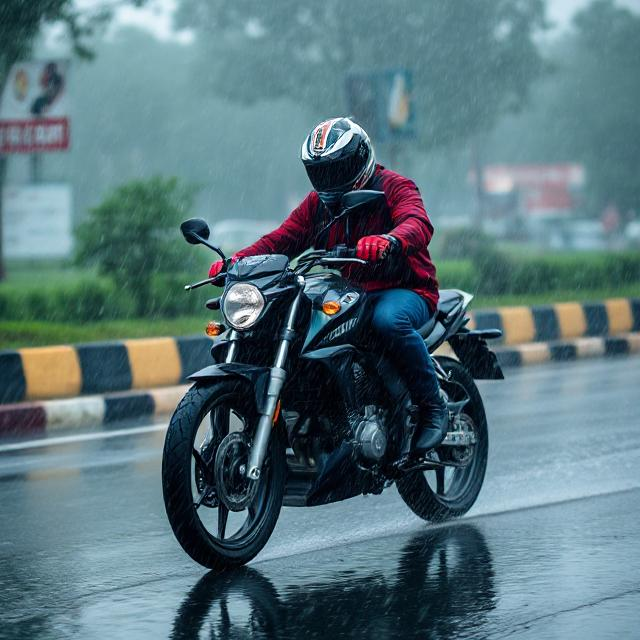
The weather can change in minutes, and poor preparation can create uncomfortable and dangerous riding conditions. Riding through heat, cold, and rain without the right equipment can be miserable, but investing in quality all-weather riding gear will keep you warm, dry, and protected. Check the short- and long-term forecast before heading out and have a backup plan for poor weather conditions.
Not Stopping for Fuel
A dry gas tank isn’t just an inconvenience; it can leave you stranded in strange places with few options. It’s crucial to know your bike’s range and plan accordingly, especially if traveling through remote areas with few gas stations. Running low on fuel often may damage your engine, but planning pit stops will keep you on the road.
Wearing Low-Quality Gear
While it may be tempting to ride in shorts and a T-shirt, it’s not a good idea. Without the right gear, you risk serious injury or worse. Gloves, boots, pants, an armored jacket, and a full-face helmet will prevent fatigue and other distractions while protecting you from weather conditions and road risks. All the gear, all the time—it’s the only way to ride!
Not Wearing Ear Protection
Highway noise can cause lifelong hearing damage, even if not readily apparent. The constant hum of the engine and rush of the wind may increase fatigue, making long trips more tiring than normal. A high-quality set of earplugs, however, will cut the noise while
allowing crucial sounds to come through. By protecting your hearing, you’ll keep yourself on two wheels for many years to come.
Getting Dehydrated
Hydration is one of the easiest ways to stay healthy, especially on long trips. Dehydration is sneaky during hot weather, and it can quickly lead to fatigue, headaches, nausea, and dizziness. Wear a hydration pack or take frequent water breaks to increase focus, shorten reaction time, and decrease the risk of accidents.
Skipping Breaks
As fun as it is to spend hours on the road, doing it too often leads to fatigue, lack of alertness, and longer reaction times. While it’s easy for most of us to push through, it’s not always the best choice. Decrease your accident risk and arrive safely by taking frequent breaks to stretch, refuel, and rest.
Using the Same Techniques on Every Ride
Mountain roads, gravel paths, and highways are all fun places to ride, but each terrain type requires different riding skills and techniques. The failure to adapt leads to risky behaviors, including misjudging turns, losing control on slick surfaces, and riding too fast. Maintaining good posture, slowing down, and using the best techniques for every environment will ensure a smooth and enjoyable ride.
Relying on GPS
While Google Maps is a great tool, it’s not foolproof. Roads can close suddenly, and not all paths are good places to ride. Comparing your route to a physical map or researching it prevents delays, reduces risk, and helps you get to your destination safely.
Not Following the Rules of the Road
Lane splitting rules, helmet laws, speed limits, and other guidelines vary by country, city, and state. Failing to learn about and obey the law leads to serious trouble, but knowing and following the rules makes you a safer and more courteous rider. Take the time to learn about your destination and the road to it—and you’ll have fun while staying on the right side of the law.
Not Securing Your Bike
While bikers live by a code of honor, not everyone is honest. Theft is a significant risk on long trips through unfamiliar territory, but there are ways to guard your ride. Parking in secure, well-lit areas, using high-quality locks, and investing in a GPS tracker or alarm will add another layer of security. By taking these steps, you’ll protect yourself and your bike.
Not Having Insurance or Emergency Contacts
Breakdowns and accidents happen quickly, even to seasoned riders, and unpreparedness worsens these situations. Before hitting the road, list your emergency contacts—including roadside assistance and insurance companies—so you can get
help fast. While these details may seem small, they provide protection and peace of mind.
Riding Past Your Limits
The open road is thrilling but knowing when to call it a day is essential. Riding past your limits leads to poor decision-making, exhaustion, and an increased risk of accidents. Long trips are supposed to be enjoyable, not an endurance challenge that leaves you tired, drained, and sore. Know your limits, ride within them, and take the time to enjoy the trip instead of rushing through it.
Avoid These Mistakes for Safe, Memorable Trips
The best long-distance motorcycle trips end safely and create enduring memories. Long rides are meant to be adventures, not disasters—and avoiding these mistakes helps you have a smoother, safer, and more enjoyable journey. The open road beckons; if you answer the call, do it smartly and safely so we can see you again sometime.
ABOUT THE AUTHOR

Jake Robison

Jake Robison has operated powersports dealerships since 2003. With an extensive background in the motorcycle industry including sales, service, parts, finance, management and powersports training, he covers all things motorcycles and enjoys sharing valuable information to newcomers on two-wheels